

What to Expect When Commissioning a Public Building in Ireland
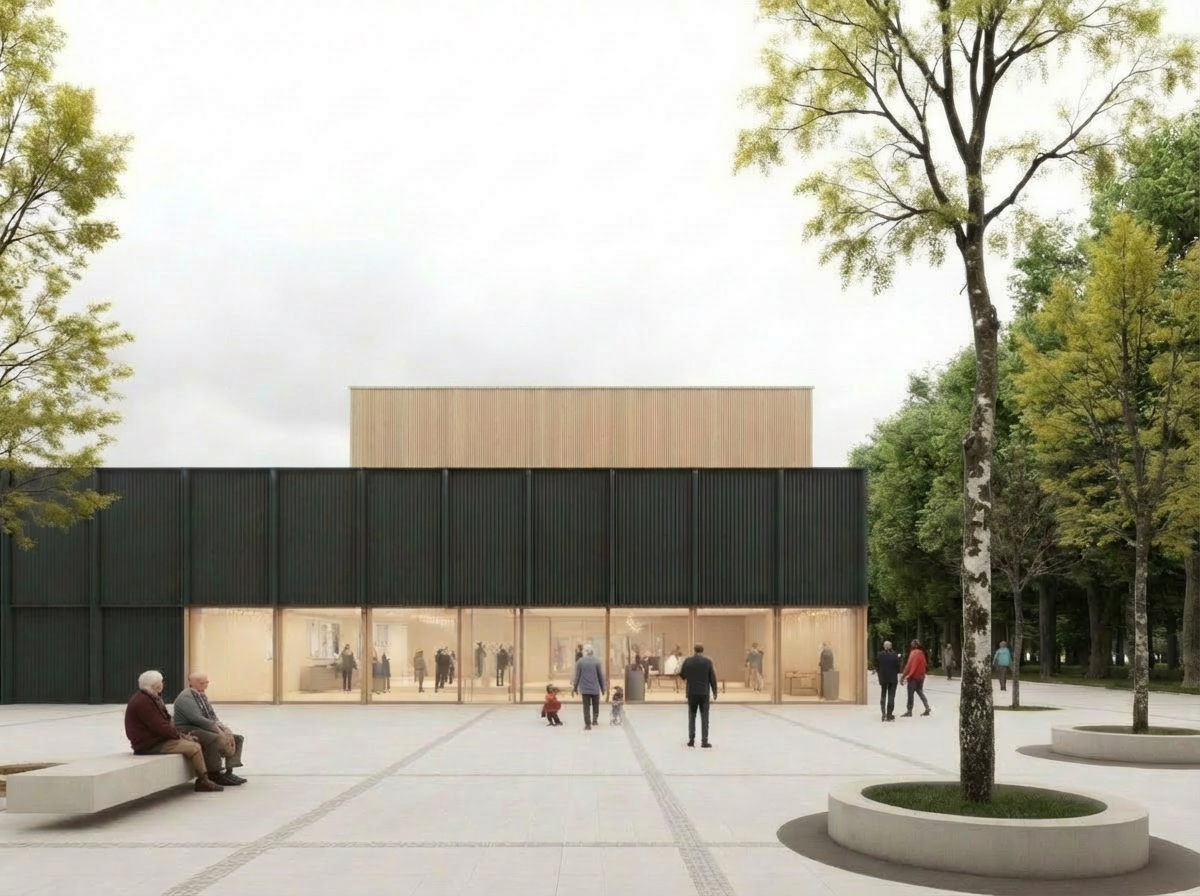
Commissioning a new public building is one of the most impactful things an organisation can do. Whether it's a school, a library, a community centre, or a civic office, these buildings serve people for generations. But the process of getting from ambition to occupancy can feel daunting, particularly for project leads who are navigating it for the first time.
This guide walks through the key stages of commissioning a public building in Ireland, explaining what happens at each step, who is involved, and what decisions you'll need to make along the way. Our aim is to demystify the journey and give you confidence in the process ahead.
Start With the Brief, Not the Building
Every successful public project begins with a clear understanding of need. Before any design work starts, your organisation should define what the building needs to achieve. This isn't about architecture yet. It's about understanding your service objectives, the people who will use the space, and the outcomes you want to deliver.
A good architectural team will work with you to develop and refine this brief using data, benchmarks, and case studies from comparable projects. This collaborative brief development ensures that what gets designed genuinely responds to your needs, rather than assumptions about what a building of this type should look like.
Questions to consider at this stage include how many people will use the building daily, what activities and services it must accommodate, whether there are specific accessibility or inclusion requirements beyond statutory minimums, and what your long-term operational and maintenance budget looks like.
Appointing Your Design Team
Public sector clients in Ireland appoint architects and design teams through formal procurement, governed by the Office of Government Procurement (OGP) guidelines and EU procurement directives. The route depends on the scale and value of your project.
For larger projects, design teams are typically appointed through a competitive process advertised on eTenders, or via mini-competition from an established framework agreement. The Capital Works Management Framework (CWMF) sets out the standard conditions of engagement for consultants on public projects, providing a clear contractual basis for the appointment.
When evaluating architectural teams, look beyond fee alone. The most economically advantageous tender (MEAT) criteria allow you to weight quality, experience, methodology, and team composition alongside cost. A practice with a strong track record in your building type, a proven collaborative process, and a clear approach to managing risk will deliver better long-term value than the lowest fee.
Your architect will typically act as Design Team Leader, coordinating the work of structural engineers, mechanical and electrical engineers, quantity surveyors, and specialist consultants such as energy advisors, fire engineers, and access consultants.
A Clear Path Forward
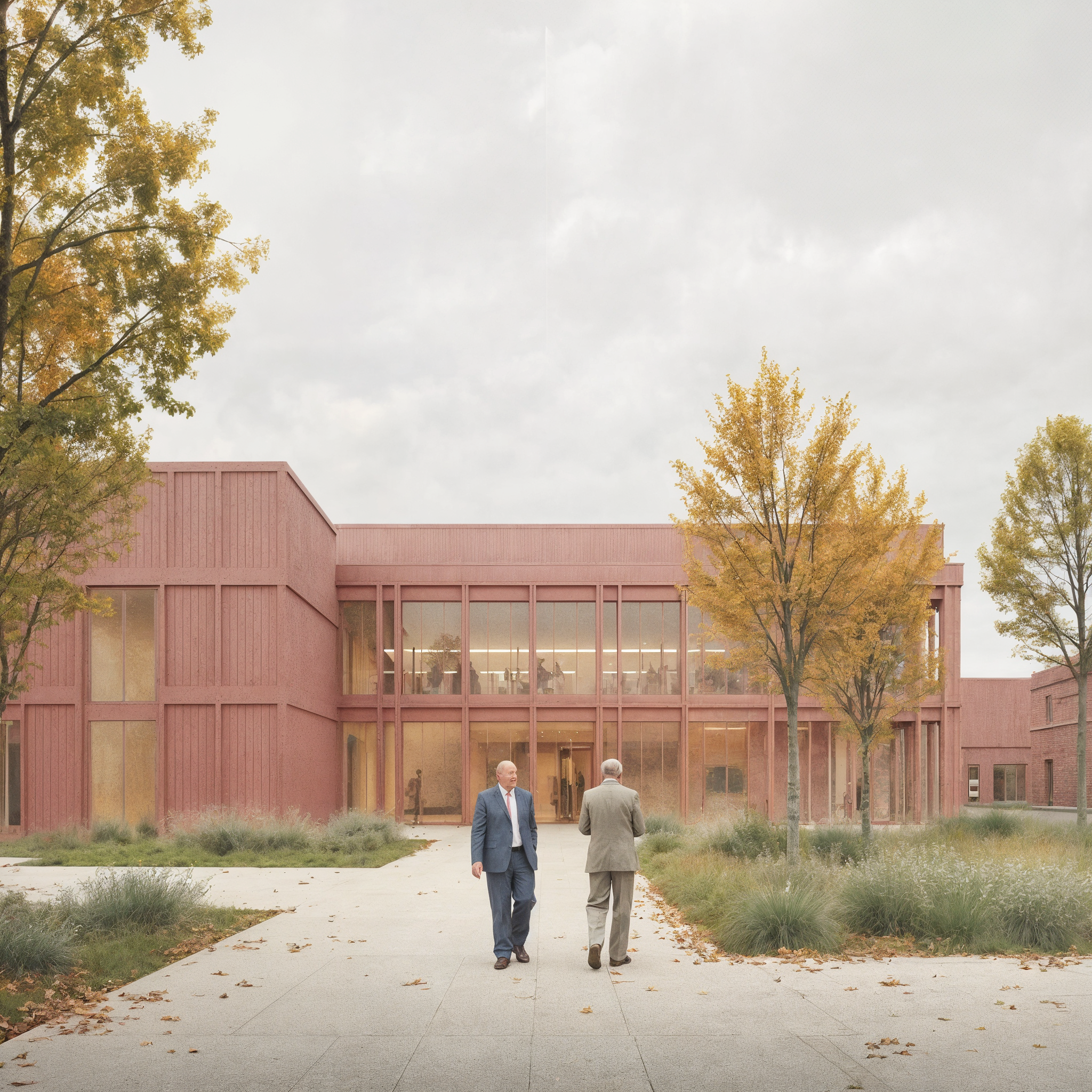
Public building projects in Ireland are delivered through clearly defined work stages. While different practices may number these slightly differently, the structure is broadly consistent and designed to give you transparency and control at each step.
Preliminary Design
This is the ideas stage. Your architect develops initial design concepts based on the agreed brief, testing how the building might sit on its site, how spaces relate to one another, and how the design responds to its context. You'll typically see sketch plans, sections, and 3D visuals that help you understand the proposals in a tangible way.
At this stage, the energy and sustainability strategy is also established. For public buildings, this means considering how the design can minimise operational energy use, reduce carbon emissions, and create healthy internal environments for occupants. These decisions are far more effective and affordable when made early.
The stage concludes with a clear design direction that you're comfortable with, a realistic project programme, and an initial cost estimate.
Design Development and Planning
The agreed design is now developed in more detail. Materials, finishes, and spatial qualities are refined. The design is coordinated with the engineering team to ensure it is realistic and deliverable within your budget.
This is also where your architect navigates the planning process on your behalf. For public buildings, this often involves pre-planning consultation with the local authority, preparation of a comprehensive planning application, and management of the process through to a decision. A strong planning track record is one of the most valuable things your architect brings to the table, as a refusal can cost months of delay and significant additional expense.
Technical Design and Tendering
With planning secured, the design is translated into the detailed technical drawings and specifications that contractors need to build from. This is where buildability, durability, and construction quality are locked in. A technically rigorous set of documents reduces risk during construction, minimises costly variations, and gives you confidence that what gets built will match what was designed.
The project is then tendered competitively to a shortlist of suitable contractors. Your architect evaluates the submissions, assesses the contractors' competence and pricing, and recommends an appointment. For public projects, this process follows the CWMF Public Works Contracts (typically PW-CF1 for building works designed by the employer).
Construction and Handover
During construction, your architect administers the building contract, inspects the works at regular intervals, assesses payment claims, and ensures the project is being delivered to the required standard. This active site presence is your assurance that quality is being maintained and your investment is being protected.
The stage concludes with snagging, practical completion, and the issue of final certifications and compliance documentation.
Regulatory Compliance: What's Required
Public buildings in Ireland must comply with a range of statutory requirements. Your design team manages these on your behalf, but it's helpful to understand what's involved.
Building Control (BCAR): Under the Building Control Amendment Regulations, most public building projects require the appointment of a Design Certifier and an Assigned Certifier. The Design Certifier confirms that the design complies with Building Regulations. The Assigned Certifier develops an inspection plan and certifies compliance of the completed building.
Fire Safety Certificate (FSC): An application to the local authority's Building Control section is required before construction begins. This demonstrates that the building's design meets the fire safety requirements of the Building Regulations.
Disability Access Certificate (DAC): Required alongside the Fire Safety Certificate, the DAC confirms that the building is designed to be accessible to people with disabilities, in accordance with Part M of the Building Regulations.
Planning Compliance: On completion, your architect provides an opinion on compliance with the planning permission conditions. This is a requirement for public accountability and future reference.
Health and Safety: The Safety, Health and Welfare at Work (Construction) Regulations require the appointment of a Project Supervisor Design Process (PSDP) at design stage and a Project Supervisor Construction Stage (PSCS) during construction. Your architect will advise you on these appointments and your legal duties as client.

Budget and Cost Control
Public projects demand rigorous cost management. Your quantity surveyor provides cost estimates at each stage, benchmarked against comparable projects. The key to controlling cost is making informed decisions early, when changes are inexpensive, and maintaining design discipline through the later stages when variations become costly.
A well-run project with thorough technical design and clear tender documentation will typically deliver fewer surprises during construction. This is where the investment in rigorous Stage 3 work pays dividends. Buildable, well-coordinated designs attract competitive tender prices and reduce the risk of claims and variations on site.
Stakeholder Engagement
Public buildings serve communities, and the people who will use them should have a voice in the process. Effective stakeholder engagement isn't just good practice; for many public projects it's a requirement of the planning process and a condition of funding.
Your architect can facilitate this engagement through workshops, public presentations, and design reviews, ensuring that diverse perspectives are heard and incorporated meaningfully into the design. The goal is alignment: a building that the community feels ownership of, because they were genuinely part of creating it.
Sustainability and Long-Term Value
Public buildings have a responsibility to lead by example on environmental performance. Beyond compliance with the Nearly Zero Energy Building (nZEB) standard, there are significant opportunities to reduce operational costs, improve occupant wellbeing, and demonstrate commitment to climate action.
A fabric-first approach, prioritising high levels of insulation and airtightness, delivers the most reliable and cost-effective energy savings over the building's lifetime. Combined with efficient mechanical systems and renewable energy generation, this approach creates buildings with genuinely low running costs, an increasingly important consideration as energy prices remain volatile.
Equally important is social sustainability: creating buildings that are inclusive, accessible, healthy, and adaptable to future needs. A building designed for flexibility will serve your organisation well as requirements evolve over the decades ahead.
How Long Does It All Take?
Every project is different, but as a general guide for a medium-scale public building (a primary school, community centre, or branch library), you might expect twelve to eighteen months from appointment to planning decision, six to nine months for technical design and tendering, and twelve to twenty-four months for construction, depending on scale and complexity.
The total programme from first appointment to handover is typically three to four years for a project of this nature. Engaging an experienced architect early, one who understands the specific requirements of public sector delivery, is the single most effective way to keep that programme on track.
Getting Started
If your organisation is considering a new building project, the first step is a conversation. A good architect will listen, ask the right questions, and help you understand what's possible, what it might cost, and what the journey will look like. There's no commitment at this stage, just an opportunity to explore whether the fit is right.
We work with public sector clients throughout Ireland, from local authorities and the Department of Education to community organisations and cultural institutions. Our collaborative process is designed specifically to give you clarity, confidence, and a building you can be proud of.
David Williams is Director of David Williams & Co. Architects, an award-winning RIAI practice based in Dublin specialising in public buildings, housing, and education projects. DWCO was named Rising Star in Architecture at the 2024 Building and Architect of the Year Awards.